
Social Media Video Production for Small Businesses: What Actually Works
Before starting Justin Gora Media, I spent years as a digital marketing manager for a local automotive brand, running social media, email marketing, ecommerce, and product photography and video. I've planned shot lists, shot same day content, and watched firsthand what kind of visuals actually move the needle versus what just looks nice. Here's what that experience taught me, and what it means for small businesses thinking about social media video today.
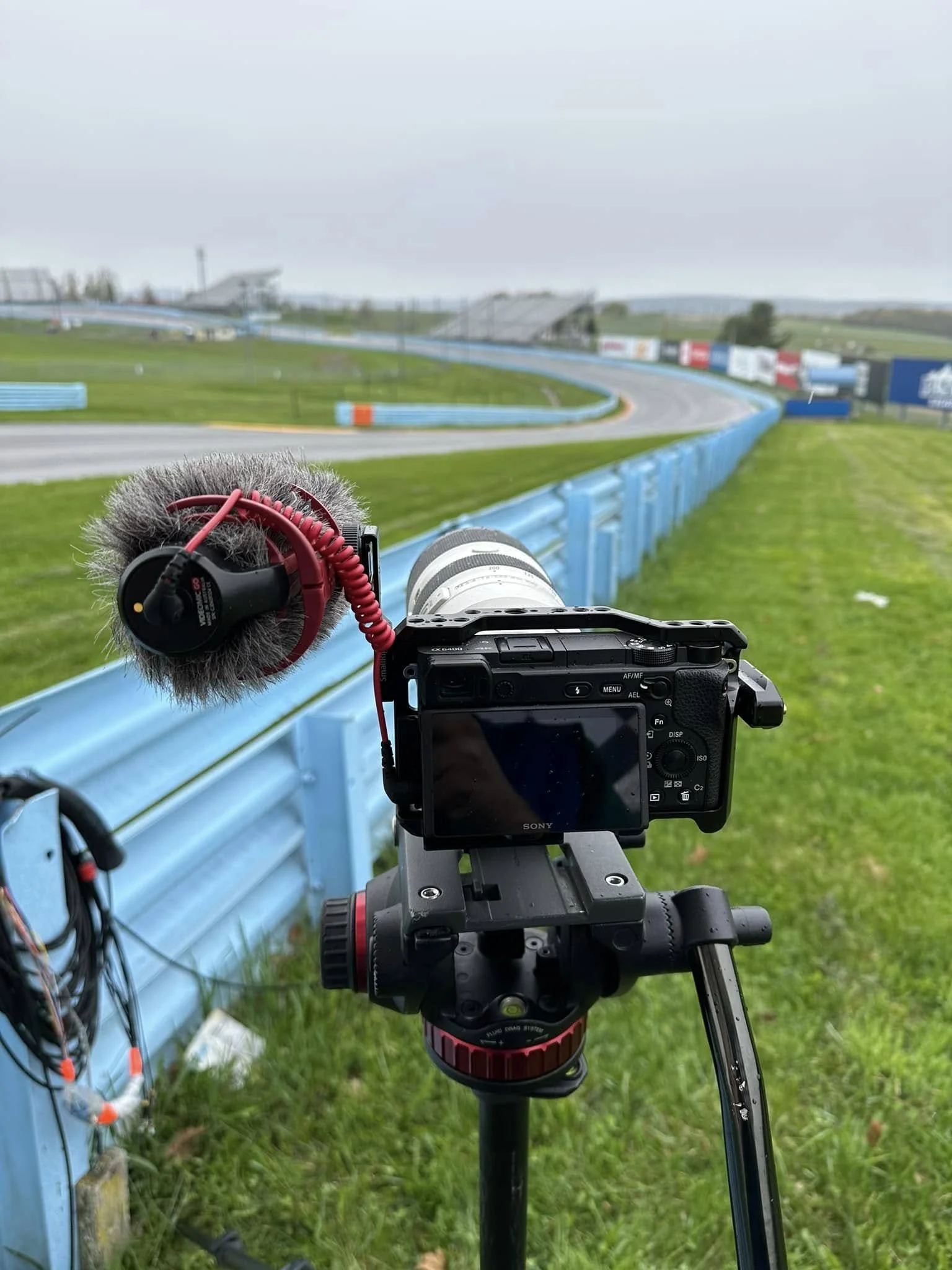
The kind of setup behind years of product photography and video work, long before starting Justin Gora Media.
Short Form and Long Form Video Aren't Competing, They're Doing Different Jobs
One of the clearest patterns I saw: short form, vertical content consistently drove brand recognition, more views, more reach, more people discovering the brand for the first time. Long form, traditional horizontal video was where conversion actually happened, install videos, new product walkthroughs, the kind of content someone watches when they're already interested and want the details before buying.
Neither one replaced the other. They served different stages of the same journey. If your business only invests in one format, you're likely leaving something on the table, either visibility or conversion, depending on which one you skip.
This is exactly why I built content options around both formats. Spotlight Videos are built for that first job, quick, shareable content that keeps you visible. Signature Videos take on the second, longer, story driven pieces that give people the fuller picture once they're paying attention.
A thumbnail example of long form, horizontal video: Built for the moments when someone's ready for the full story.

A thumbnail example of short form, vertical video: built to stop the scroll and build recognition fast
Real Photos and Video Convert Better Than Stock, Every Time
In my experience managing ecommerce product pages for a local automotive brand, products shown with our own original photography consistently outperformed listings using generic stock or manufacturer provided images that other companies were also using. Customers can tell the difference, even if they can't always explain why. Authentic, original visuals feel more trustworthy, and that trust shows up in results.
This lines up with something I've written about before: consumers are increasingly good at spotting content that isn't authentic, whether that's recycled stock photography or AI generated visuals, and it affects how much they trust a brand. If your business is still using generic stock images or the same photos every competitor in your industry has access to, that's likely costing you more than it's saving.
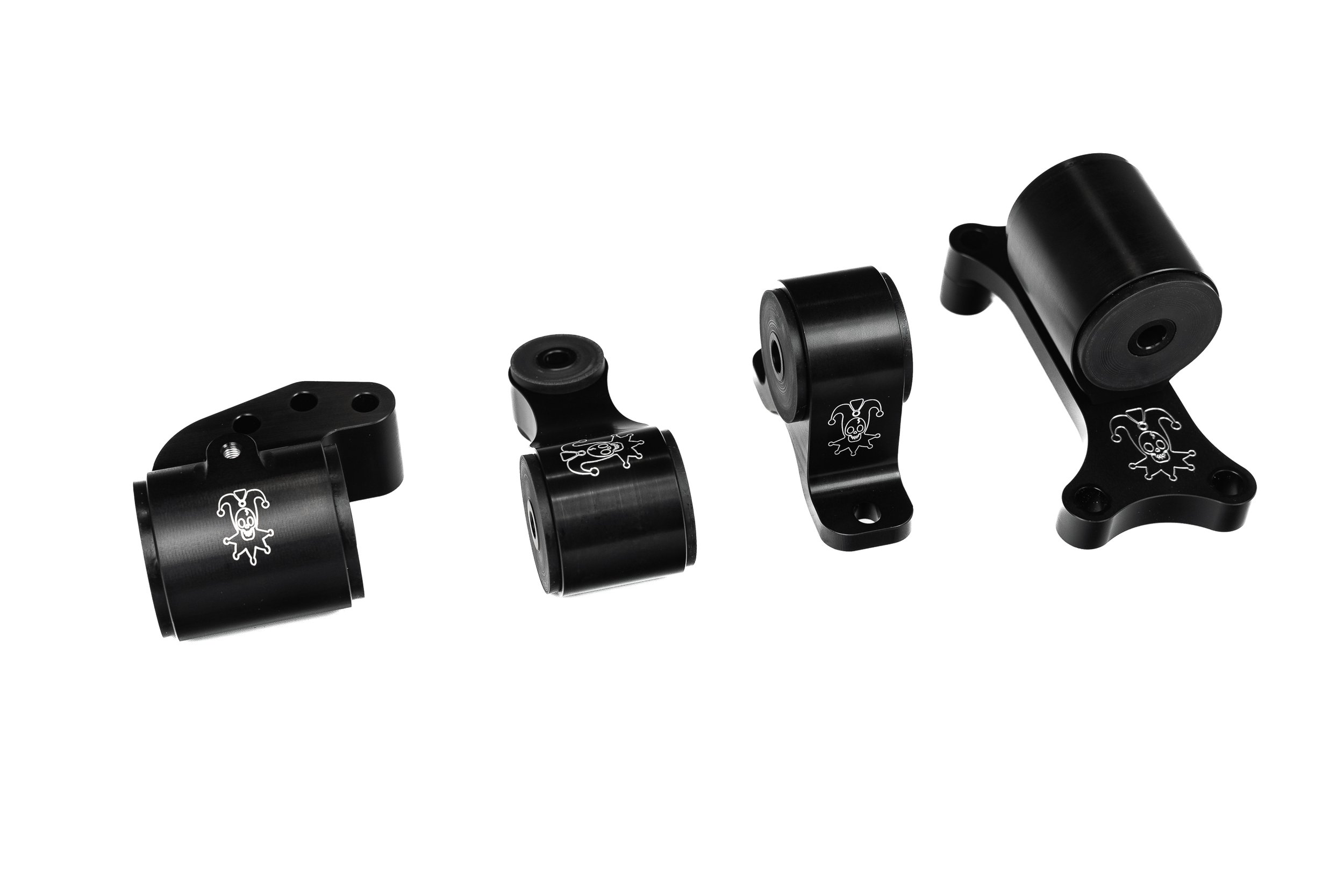
The kind of original product photography that outperforms stock or manufacturer-provided images, exactly what this section is about.
What a Real Production Workflow Looks Like
At the automotive brand, my process was straightforward: plan the shot list based on the product type, research what competitors were doing well and poorly, simplify the shoot, and turn the content around the same day, shoot, edit, and upload to the ecommerce site, all in one day. That kind of turnaround wasn't just about speed for its own sake, it meant the business could move fast on new products and promotions without content becoming the bottleneck.
Small businesses deserve the same kind of workflow, even without an in house marketing department. That's part of why I structure sessions the way I do, a clear plan going in, a focused shoot, and a defined turnaround, so you're not left waiting weeks for content that should take days.
Where the Sales Actually Came From
Worth being honest here: social media, Instagram specifically, drove less than 3% of direct sales at the automotive brand I worked for. Most of our revenue came from Google Ads and email marketing. But that doesn't mean social content wasn't valuable, it was often the first touchpoint, the thing that built recognition before someone ever converted through another channel. Short form video's job usually isn't the final sale, it's making sure your business is the one people remember when they're ready to buy.
For a small business, this means social video shouldn't be judged purely on immediate sales. It's brand building work, and it compounds over time, especially paired with other channels doing the conversion heavy lifting.
What This Means for Your Business
If you're a small business owner trying to figure out where to start with video content, here's the short version, based on what actually worked at scale:
Use short form, vertical video to build recognition and stay visible on social media
Use longer form video when you need to actually explain or showcase something in depth
Always choose real, original content over stock or generic imagery
Build a workflow that doesn't leave you waiting weeks for usable content
This is exactly the thinking behind my Social Content Session, a focused session built specifically for vertical, social ready video, no unnecessary extras, just content built to do the job it's actually meant to do.
